The Printer’s Art

selenium toned silver print of venice

venicepre

Is it Photoshopped? No. despite not going through Photoshop, many traditional silver-based photo prints did have alterations as this picture shows; highlights, shadows, contrast, burning-in and more – all the skills learned over time in the dark and, most, necessary adjustments from a negative or positive to craft the image.

Producing a monochrome photographic print today remains an enjoyable task, one where you can get your hands dirty and have a tangible, physical product at the end of it. Achieving a high quality print is still no mean feat. The picture above was a test exposure with comments and guidance notes for subsequent exposure/development written – even scrawled albeit artistically – in chinagraph pencil.

The paper used was Agfa’s wonderful Record Rapid which had a Baryta base and produced rich, warm blacks. The Online Darkroom suggests Agfa stopped making Record Rapid in about 2003. Apparently the original paper contained Cadmium which really isn’t something you want to be handling with bare hands. Regardless, the paper had a huge fan base and is missed.

This image was shot one early November day when the rain didn’t stop, it was cold and there was seemingly nothing that would entice you to photograph Venice, let alone be there. However, it is at times like this, when there are few tourists and everything seems to be against the photographer, that the real atmosphere of the working Venice can be felt.

Traditional photography using medium format and 35mm is one of the specialised services we are happy to offer clients in Devon and throughout the UK for specialised shoots, ad campaigns and more along with our digital work. Need convincing about the role of analogue photography in a digital age? Just have a look at the analogue work of celebrity and political photographer Platon…

The final print of this image can be seen in the Personal Work Gallery.

A Year of Instagram

** This post was originally published in 2014 and is now out of date! **

Every New Year the newspapers and magazines are full of reviews, looking back over the year and forward to 2013. Breaking the mould, it seemed like a good opportunity reflect on a few years in March, not January, with the Samsung Galaxy S2 and iPhone4s. Originally sceptical about using these smartphone cameras for anything but fun, the last few years with them has shown that this is a very useful tool for working photographers; a tool that allows you to work on project ideas without having to lug a heavy DSLR around and, for me at least, gives a feeling of creative freedom. Increasingly image libraries and advertising agencies have caught up working with smartphone images for stock & campaigns (of which, more below the pictures).

These photographs are a small sample of images used for anything from Facebook to emailing clients. They’re not a “best of”, simply ones that almost self-selected themselves as “examples of” for this write-up.

Below the photos is a short discourse on the use of camera phone images and, I should disclose that while mentioning Instagram above, these shots were all produced with the rather brilliant Pixlr Express.

One of the key points about smartphones is the ability to catch moments and memories, ones that may or may not mean anything to anyone else. And with that important note noted…the pictures.
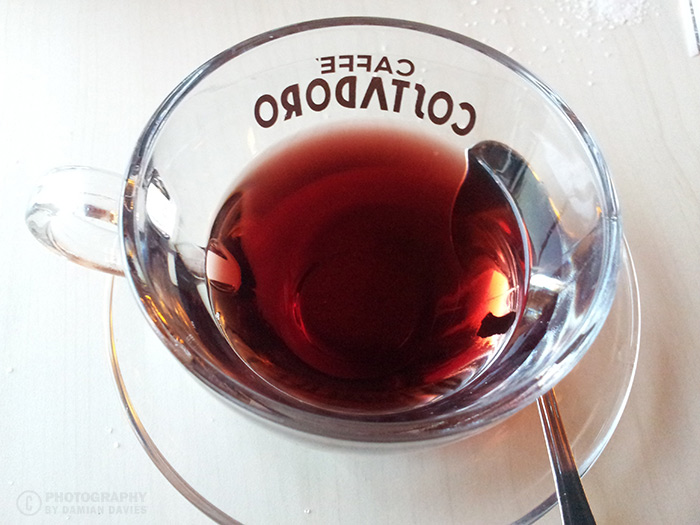
POST01

The sheer joy of Vin Chaud to warm you up after a day on the ski slopes
Not worth a DSLR shot, perhaps, but worth a camera phone snap for the memories
Pragelato, Italy
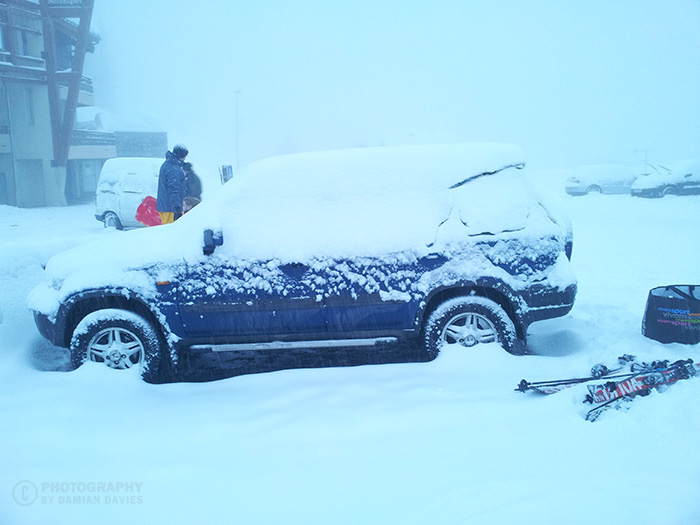
POST02

While working on an extended shoot in the Alps there were some “special moments” that needed recording.
Playing hunt the car in La Rosiere after a wonderful day skiing, France

POST03

Camera phones mean that accessibility and speed of use trump using traditional cameras,
in this case, to record some of the minutiae of life. Diamond Jubilee Year, bunting
everywhere and this still life inadvertently created by some children.
Worth getting the DSLR out? Probably not. Worth a camera shot? Definitely.

POST04

The off-season emptiness of a normally busy seaside resort; the disconsolate and dejected
combined with a blue filter emphasizing the chill and negative emotional tone. Exmouth, Devon.

POST05

Another winter scene and another “grab” shot for which camera phones come into their own.
Dusk settling over the River Taw estuary near Barnstaple, Devon. Thankfully I also
had a professional camera with me to capture this scene in high-resolution.
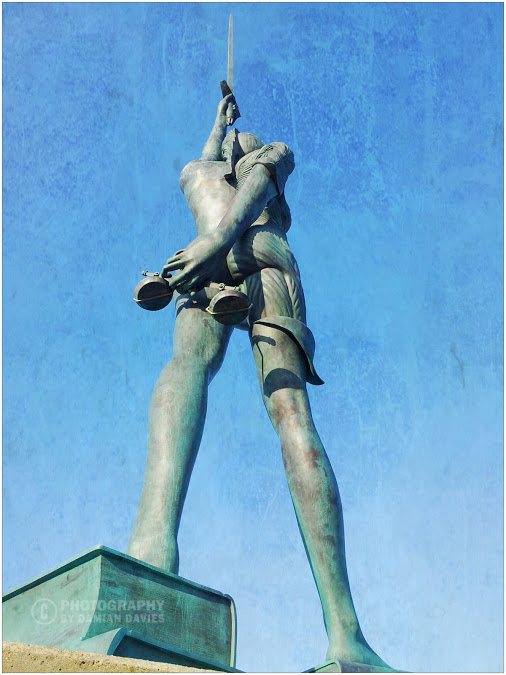
Damien Hirst's statue of Verity in Ilfracombe North Devon. Photography by Damian Davies

Damien Hirst’s awesome and huge statue Verity, Ilfracombe, Devon

POST08

While working in the UK…
Portsmouth harbour

POST010

While working in the UK…
Birmingham Bullring
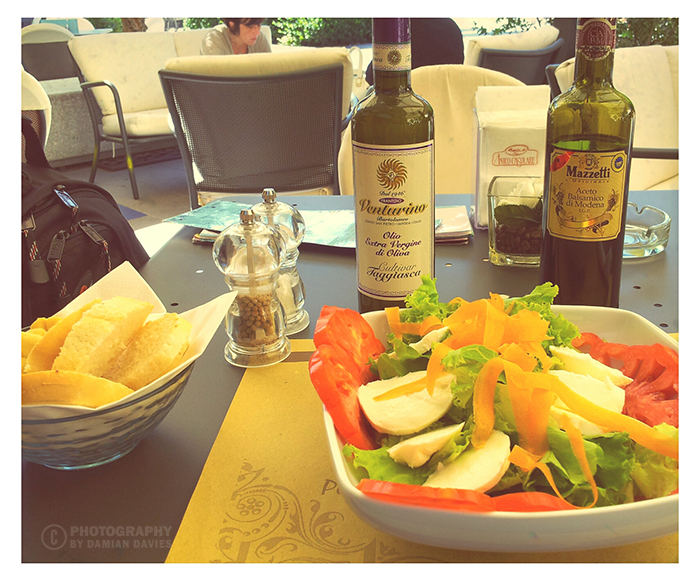
POST09

Lunch – Alba, Italy. Smartphone food shots? Surely not…

POST011

End of the day on the lungomare
Liguria, Italy

It’s been said that the introduction of digital cameras democratized photography, Kate Bevan writing in the Guardian newspaper believes that Instagram/Hipstamatic/Snapseed filters are the antithesis of creativity, and make all pictures look the same. While there is an element of truth in what she says, did 110, 126 or Disc camera images have the same issue? I would argue they did, more-or-less, due to the type of lenses these cameras used (mostly poor in the consumer ones) and the type and limitation of the film used. However, the thing that makes this a revolution in photography is the ease of use. This ease makes them suitable to shoot the minutiae of life that wasn’t shot in any great way before; leaving us a legacy of the everyday, the things you simply wouldn’t have photographed, in a social setting at least, when you had to pay for film and processing where each frame cost money. And, within that, creativity can blossom. Does it matter if the colour-casts and borders are all faux and similar to many others? Does it matter that everybody seems to shoot their meals and pets?

Despite some smartphone images being used commercially, broadly speaking the image quality is not suitable for this purpose. The reason a professional photographer has to spend thousands on equipment is for the size/quality of image that camera can produce (and reliability too of course). And to repeat an oft-repeated phrase: it’s not about the megapixels, it’s about the quality of the photosites, lenses, noise-reduction and sensor. However, given that an increasing number of advertising agencies and libraries are now accepting (and using) smartphone camera images, is it worth joining the throng? Or is this another fad like over-processed high dynamic range pictures was? Possibly. But there is a possibility of money being made from stock photography in this area. And let’s not forget, well processed HDR images (tone mapped images) are very usable. Few would know that they’d been processed this way.

For social use the smartphone camera is invaluable. It’s a more convenient Polaroid (albeit not used for testing exposure). For commercial photographers it’s an increasingly useful tool in the armoury. If you can make money with it, so much the better.

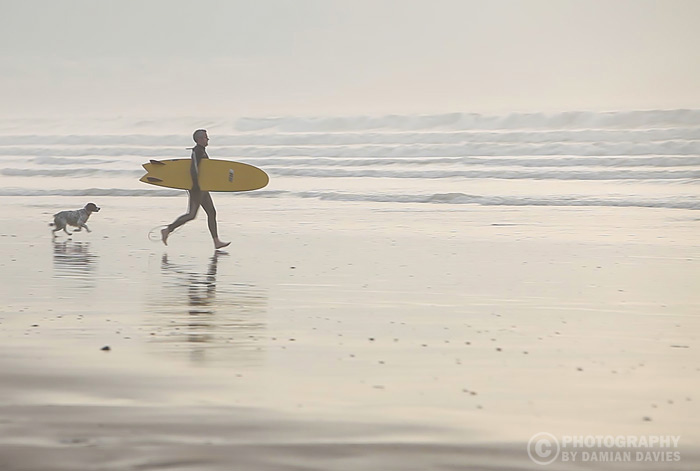
Westward Ho!

shooting video at Westward Ho Devon

Creative Video of surfer in Westward Ho North Devon

A test desaturated yellow colour grade using a still from the shoot

Shooting a video can be tough, especially when the sun is out and the temperatures finally creep up to 16C. This is a still from one of the longer term video projects I’m currently engaged with. Today’s location being Westward Ho! in North Devon – a place, I have to admit, that I have rarely been to before now. Ice cream vans, cafes selling great coffee and great weather. What’s not to like?

Colour grading a film or video is an immensely difficult art – for people not used to it at least. It can take weeks to do. Here I’m just experimenting with ideas and looks, in particular the warm, yellowish (Kodak film), washed-out (i.e. desaturated) and vintage look suits the images but may not suit the film in its entirety.

This video, being kept under wraps pro tem, will hopefully be ready in late 2014.

Exmoor Beast 2

Version 2 of this video is in colour and has a couple of clips from the riders talking about the sportive/challenge. This was the original cut, more-or-less, but due to time constraints this version had to be put on ice temporarily.

One of the toughest sportives of the season, The Exmoor Beast (starting in the Devon town of Tiverton), takes riders up both the pleasantly rolling and leg-burning hills of Exmoor in Somerset. Beautiful scenery is thrown in for free as is the obligatory dose of unpredictable and sometimes seemingly vindictive West Country autumnal weather.

More information http://www.exmoorbeast.org.

Technical:
5d mark II w/ Magic Lantern
25fps
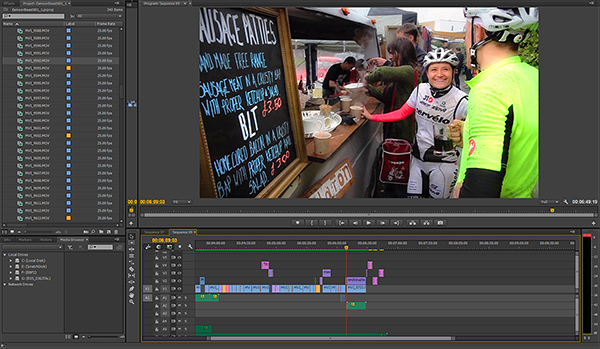
Premiere Pro
After Effects
Magic Bullet Looks

exmoor beast cycling sportive video shot in Devon and Somerset

Restoration Man

TV Stills for Restoration Man

I recently shot stills for Jackie & Neil’s Fisherman’s Church episode of Restoration Man on Channel 4 with George Clarke. The shoot in Brixham, Devon, involved producing a variety of work for the client from architectural photography of the building interiors to the launch party itself.

The results of the work undertaken by Neil and Jackie were superb; from derelict shell to stylish, comfortable and liveable home.

The programme airs on January the 15th 2014 on Channel 4. On 4OD look for Series 4, Episode 3 or the Restoration Man website here.

PR editorial photography of Restoration Man in Brixham Devon

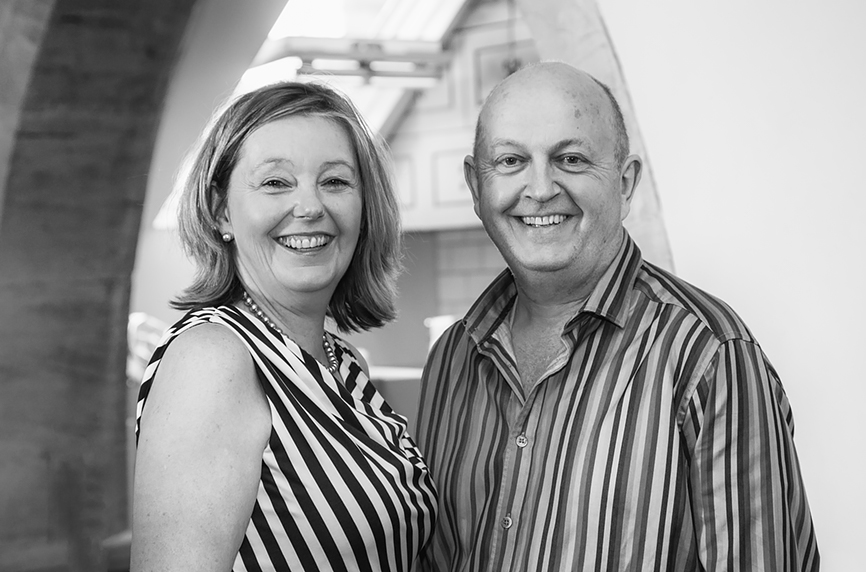
Neil & Jackie in the Fisherman’s Church

photography of channel 4's Restoration Man in Brixham Devon with George Clarke

Neil, Jackie, George Clarke and TV camera during the programme recording

photography of channel 4's Restoration Man in Brixham Devon with George Clarke

George signing the book of the building’s history

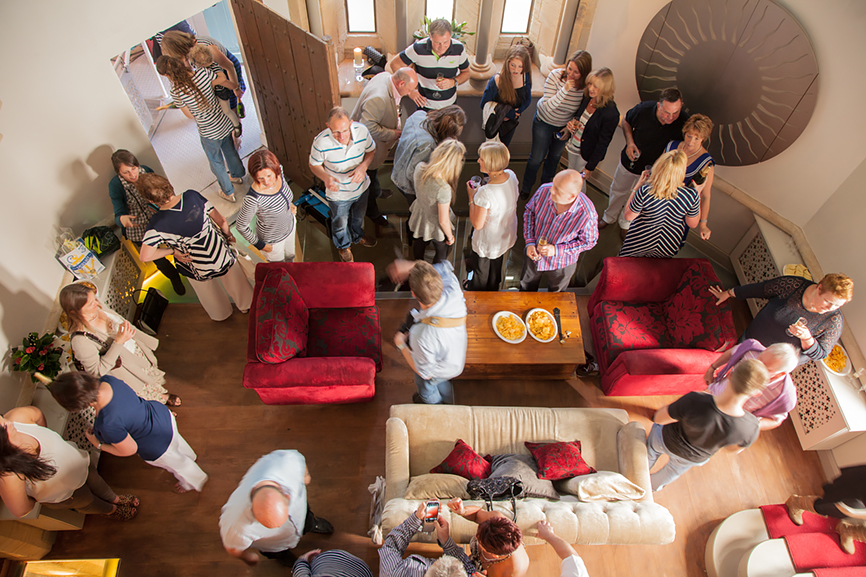
an aerial shot of the party at the photography of channel 4's Restoration Man in Brixham Devon

Aerial shot of the party

architectural property photography of channel 4's Restoration Man in Brixham Devon with George Clarke

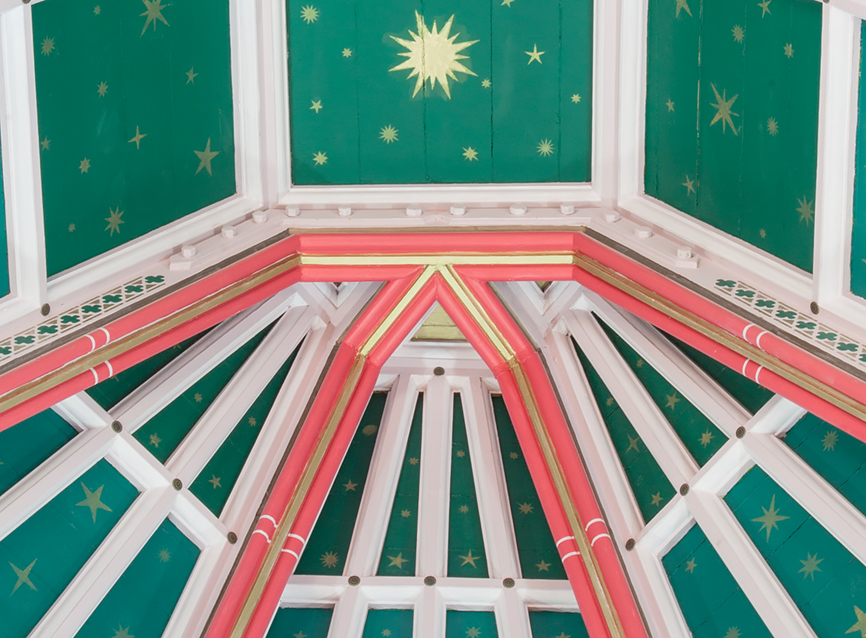
The heavenly ceiling

architectural property photography of channel 4's Restoration Man in Brixham Devon with George Clarke

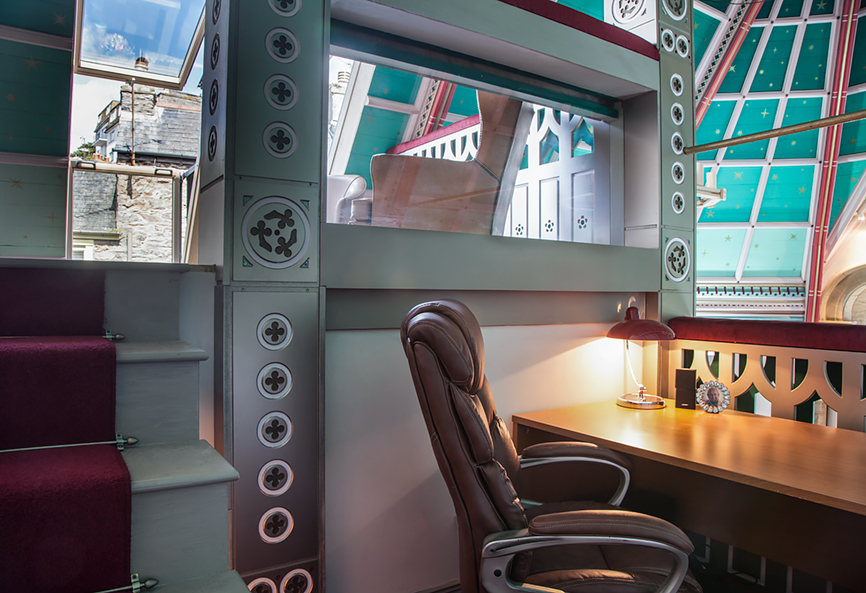
Mezzanine Office

architectural property photography of channel 4's Restoration Man in Brixham Devon with George Clarke

One of the lovely bedrooms

architectural property photography of channel 4's Restoration Man in Brixham Devon with George Clarke

Lounge area

architectural property photography of channel 4's Restoration Man in Brixham Devon with George Clarke

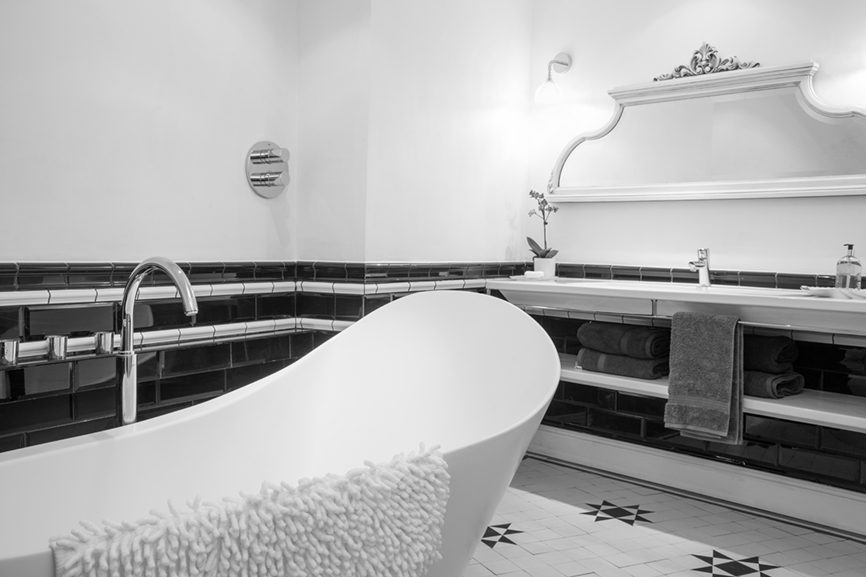
Fisherman’s Church bathroom

architectural property photography of channel 4's Restoration Man in Brixham Devon with George Clarke

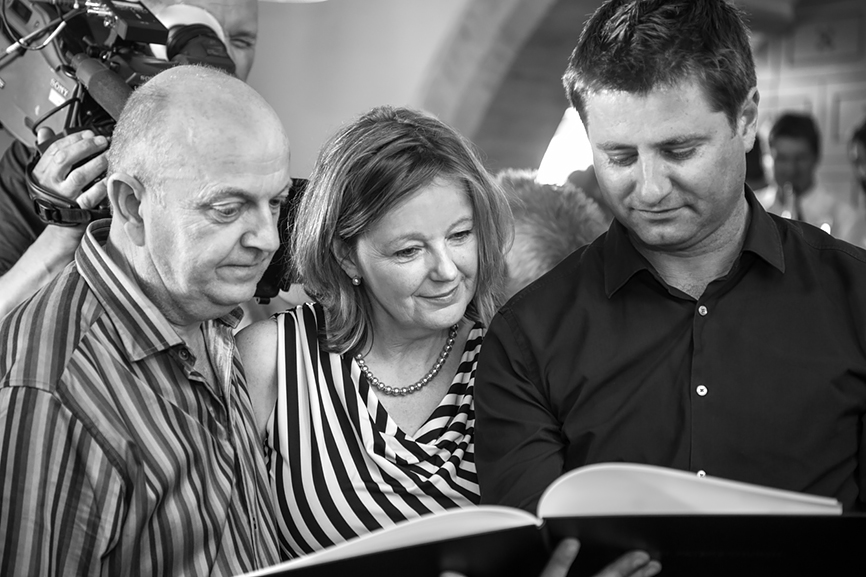
George showing the book to Neil and Jackie
Please note: all photographs are © Damian Davies 2013

Exmoor Beast Video

One of the toughest sportives of the season, The Exmoor Beast (starting in the Devon town of Tiverton), takes riders up both the pleasantly rolling and leg-burning hills of Exmoor in Somerset. Beautiful scenery is thrown in for free as is the obligatory dose of unpredictable and sometimes seemingly vindictive West Country autumnal weather.

The decision to make the video black and white was simply for aesthetics – an artistic decision.

More information http://www.exmoorbeast.org.

Technical:
5d mark II w/ Magic Lantern
25fps
Premiere Pro
After Effects
Magic Bullet Looks.

Cosworth Group

Products and people for Adaero precision instruments

Specialist component product photography for adaero cosworth group in Crediton, Devon

Specialist component product photography for adaero cosworth group in Crediton, Devon

We recently had the great pleasure to undertake some technical photography for precision component manufacturer, Adaero, part of the Cosworth group.

A separate page has been created to show of some of Adaero’s beautiful products (from medical to aerospace by way of a hundred other industries) in finer detail which can be found here.

Cassini’s Voyage

NASA images from the edge of the solar system

PIA07772

While busy with commercial work – a separate post to come soon – I thought it of note to post this incredible image. Taken by the Cassini space probe (which happens to be near* Saturn) of Saturn’s rings and the Earth in the distance (annotated).

What makes this incredible is twofold: first and foremost, the technology involved in doing this and, second, it is only the third time an actual image of the Earth has been photographed from the outer solar system showing, amongst other things, how small and insignificant the Earth looks from a mere 900 million miles away.

NASA has also published raw images – devoid of filtration etc – and these themselves are, to my mind, works of art.

* 581,000 miles (936,011 kilometers) or so away from Saturn.

Image Credits: NASA/JPL-Caltech/Space Science Institute

Budleigh Spring

You either love it or you hate it. 6×6 (square) photographs force you to look at the shapes, the graphic lines created and how they interact with the frame. The symmetry (or asymmetry) and composition are vital aspects of this

Exmouth Winter

Exmouth Winter Days video

An experimental video motivated by being drawn to a seaside resort in off-season. What storyline? Initially it was shoot and see what happens. A creative exercise. As time drew on, I realised the weather (variable to say the least) was the narrative – the rain driving me away from the town but leaving with memories of better days – which pretty much summed-up the filming of this piece. The draw was the idea of seaside resorts with fading splendour deserted in the winter but, as I discovered, there wasn’t much in the way of faded splendour – more an active out-of-season resort with always something going on and, more often than not, a sandy paradise for dogs and their owners.

ewd

TECHNICAL

One of the greatest issues to counter and overcome was, unsurprisingly perhaps, the awful weather or more accurately, the constant battering wind. A 1.4X converter was used on the 200mm f2.8 lens for most shots to give cinematic throw to the image and reduced depth of field. However, even the slightest wind-induced camera shake rendered the footage unusable (except for one or two clips After Effects managed to stabilise sufficiently). And there was a lot of wind. Did I mention the wind? The film was edited in Premiere Pro and graded in PP and Magic Bullet Looks. Magic Lantern was used during the recording achieving an average bit rate of 50mbps which definitely helped during the grading.

View video on Vimeo here